
Sporty Bet Online Guide for Nigerian Players
🎯 Sporty Bet Online guide for Nigerian players: register, explore betting options, use secure payment methods, and get tips to boost your ₦ winnings responsibly and safely.
Edited By
George Campbell
Online gambling in Nigeria has become a popular pastime and a notable part of the digital economy. With more Nigerians owning smartphones and gaining internet access, betting platforms have surged in use, offering sports betting, casino games, and lotteries.
Leading operators like Bet9ja, NairaBet, and Merrybet dominate the scene, providing options for football betting, virtual games, and live betting from the comfort of home. Such platforms appeal to young, tech-savvy Nigerians who want to test their luck and skills.

The regulatory environment is evolving. The National Lottery Regulatory Commission and individual state governments govern gambling activities. Operators need licences to function legally. Still, enforcement varies across states. Lagos and Abuja have stricter controls, but users in other states often access platforms with less oversight.
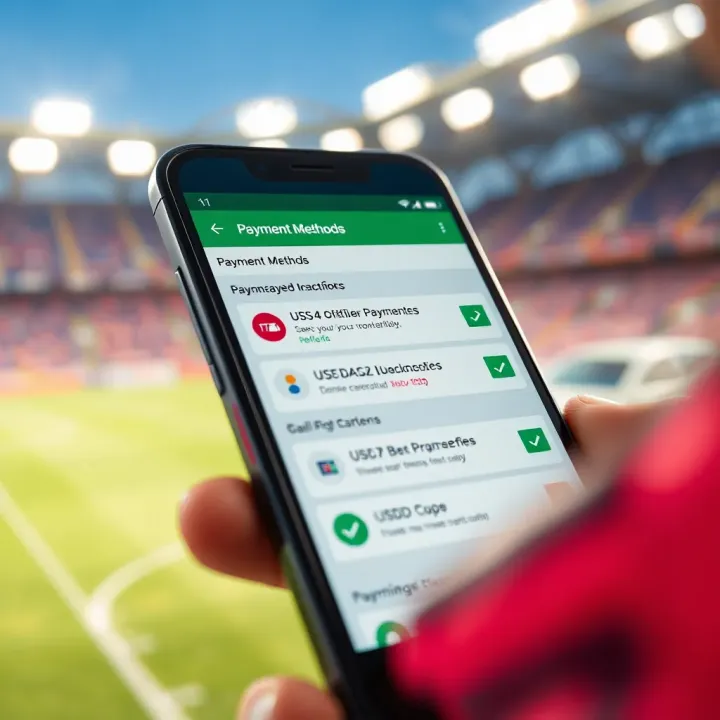
Payment methods are adapted to local realities. Nigerians commonly use bank transfers and card payments. USSD codes for mobile payments have gained ground, thanks to fintech services like Paystack, Flutterwave, and OPay facilitating quick fund transfers. This helps overcome barriers like limited credit card use and power outages that affect internet stability.
That said, online gambling carries risks. Besides addiction, unregulated platforms can expose bettors to fraud or delayed payments. It’s advisable to stick with established, licensed operators to safeguard funds and enjoy a fair chance.
Nigerians should always verify if a betting site holds proper approval and offers secure payment channels before committing any money.
Looking ahead, online gambling is set to expand further, supported by increased smartphone penetration and stronger fintech integration. The government’s push toward clearer regulations could improve industry trust and create more jobs.
Key points to remember:
Popular betting sites include Bet9ja, NairaBet, and Merrybet
Regulatory oversight involves both federal and state agencies
Local payment options like USSD and bank transfers are common
Risks include potential scams and gambling addiction
Licensed platforms offer safer betting experiences
Understanding these basics helps Nigerians enjoy online gambling responsibly while navigating its unique challenges and opportunities here at home.
Understanding the landscape of online gambling in Nigeria is key to grasping its impact on entertainment, economy, and regulation. This overview lays the groundwork by tracing the evolution of gambling, highlighting popular types, and identifying why the sector has gained traction among Nigerians. For players, investors, and regulators, knowing these basics helps navigate opportunities and challenges specific to the Nigerian context.
Gambling in Nigeria started long before the internet age, mostly in traditional forms such as dice games, card games, and local lotteries often organised informally among communities. During market days or festivals, people would place small bets on outcomes of games or races, often gathered around a group led by a game master. These activities, while simple, laid the foundation for Nigeria’s cultural acceptance of betting as entertainment and social interaction.
The rollout of affordable internet access and smartphones from the early 2010s introduced Nigerians to online gambling platforms. Bet9ja, launched in 2013, was among the pioneers, quickly dominating the market with user-friendly interfaces and extensive sporting events coverage. Online platforms replaced physical betting shops, offering convenience and access across urban and semi-urban areas. For many youths and tech-savvy bettors, mobile apps transformed how they engage with football betting and casino games.
Several elements pushed online gambling growth in Nigeria. First, the passion for football made sports betting particularly appealing. Second, rising smartphone penetration combined with affordable data plans enabled wider access. Third, fintech companies like Paystack and Flutterwave streamlined payments, making deposits and withdrawals easy with local bank cards and USSD codes. Additionally, economic challenges led some to view gambling as a way to supplement income, despite inherent risks.
Sports betting remains the dominant form of online gambling in Nigeria, driven largely by football. Platforms offer bets on local leagues like the NPFL, international football tournaments, basketball, and even lesser-known sports events. Betting options include predicting match results, scores, and in-play events. The active involvement of big brands and endorsements by popular footballers further fuel this enthusiasm among Nigerian bettors.
Online casinos provide virtual versions of classic games such as blackjack, roulette, and poker, as well as slot machines themed around popular Nigerian culture. These platforms mimic the physical casino experience but offer the advantage of playing anytime, anywhere. Gamblers appreciate live dealer features that create authentic interaction. Moreover, with promotions and bonuses, many bettors find these sites attractive for entertainment beyond sports betting.
Lottery games have been part of Nigeria’s gambling culture, and online lotteries now offer more accessible and diverse options. Virtual games simulate lottery draws or number picking with instant results. These games attract players looking for quick play and relatively small stakes. They also serve as an accessible entry point for casual gamblers, contributing to the sector’s broad appeal.
The rise of online gambling in Nigeria is not just a matter of technology but deeply tied to cultural, economic, and social factors that continue to shape the industry’s future.
Regulation plays a key role in shaping how online gambling operates in Nigeria. It sets boundaries that protect players, ensure fair play, and generate revenue for government coffers. At the same time, clear rules help legitimate operators flourish while discouraging illegal activities that could harm consumers and the industry.
The National Lottery Regulatory Commission (NLRC) supervises the lottery sector, including certain forms of online gambling. It issues licencing and ensures operators comply with set standards. For example, an online operator offering virtual lotto must obtain a licence from the NLRC before running their services. This helps protect players from fraud and establishes accountability for the operators.
Besides licencing, the NLRC monitors gambling activities to detect and prevent malpractice. Its authority covers major states but not all, causing some overlap with local regulations. Nevertheless, the NLRC remains a cornerstone in Nigeria's regulatory framework for gambling.
Each Nigerian state can enact local laws governing gambling within its borders, which leads to differing rules across states. Lagos State, for instance, may impose additional taxes or registration requirements for online sportsbooks operating locally. In contrast, a state like Ogun might have more relaxed or different restrictions.
This variation means online operators must navigate diverse regulatory landscapes depending on where their players are located. It complicates compliance but also allows states to tailor controls based on their own priorities, such as protecting youth or generating local employment.
Obtaining a licence involves fulfilling criteria that demonstrate an operator’s financial capacity, integrity, and ability to offer fair games. Detailed background checks and proof of technological security measures are often required. Licensed operators must commit to responsible gambling practices and regular audits.
This licencing process benefits players directly. It reduces the risk of dealing with dishonest platforms. Several well-known operators like Bet9ja and NairaBet proudly display their licences, reassuring users about their legitimacy.
Unlicensed operators pose serious risks including scams, delayed payouts, and data theft. Without oversight, these platforms exploit users and damage trust in online gambling. Many Nigerian players have reported losing funds to fake sites masquerading as popular sportsbooks.
The problem worsens because some unregulated operators deliberately target players looking for quick wins, using aggressive advertising to draw them in. These entities typically ignore responsible gambling rules and evade taxation, affecting government revenues.
Illegal websites operate outside Nigerian jurisdiction, making enforcement difficult. Such sites often use foreign servers or cloaking techniques to avoid detection. Players engaging these platforms face unprotected transactions and no legal recourse in disputes.
Their presence creates unfair competition for licensed operators who invest heavily in compliance. It also increases vulnerability to money laundering and other illicit schemes within the gambling ecosystem.
Government bodies including the Economic and Financial Crimes Commission (EFCC), the NLRC, and state gaming boards have increased collaboration to identify and shut down illegal operators. Campaigns educating players about risks and encouraging reporting of suspicious sites have also grown.
Digital tracking tools and cooperation with internet service providers help block access to unlawful platforms. These efforts gradually improve overall safety but require sustained enforcement and updated legislation to keep pace with evolving online gambling tactics.
For Nigerian players, choosing licensed platforms backed by recognised regulatory bodies remains the safest way to enjoy online betting and gaming services.
By understanding the regulatory framework and its current enforcement challenges, you can better protect yourself while navigating the growing world of online gambling in Nigeria.
Understanding payment methods and transaction issues is critical for anyone involved in online gambling in Nigeria. Reliable payment systems not only enable smooth betting experiences but also affect players’ trust and their ability to access winnings promptly. Since online gambling involves numerous financial transactions daily, the choice of payment options and transaction efficiency shapes how Nigerians engage with these platforms.
Bank transfers and mobile banking are the most common methods used by Nigerian bettors. Nearly every Nigerian has access to a bank account through institutions like GTBank, Zenith Bank, or Access Bank, making direct bank transfers a familiar and trusted option. Mobile banking apps allow quick fund transfers into gambling accounts or cashouts without visiting bank branches, which is especially helpful for people in cities like Lagos or Abuja where traffic congestion can be time-consuming.
These methods benefit from established security protocols and customer protection but may sometimes involve delays during peak times or due to interbank processing issues. Despite this, the ease of integration with betting platforms has made bank transfers a stable backbone for online gambling payments.
USSD codes and POS terminals offer direct, offline-accessible options for users without internet or smartphones. USSD, especially via codes from banks like First Bank or Fidelity, lets players load funds straight from their mobile phones by dialing short codes without internet data. This is particularly useful in rural areas or where smartphone penetration is limited.
POS (Point-of-Sale) terminals remain relevant, mainly in urban areas and local betting shops, allowing cash deposits directly into players’ accounts. These physical terminals complement digital payments and serve customers who prefer cash transactions or are less comfortable with digital wallets.
Use of fintech platforms like Paystack and Flutterwave has revolutionised payment processing in Nigeria’s online gambling scene. These fintech companies provide seamless payment gateways that accept cards, bank transfers, and even mobile money. Platforms like Paystack are integrated into many Nigerian gambling websites, offering instant deposits and withdrawals.
The advantage here is speed and convenience, with added features like mobile app payments, recurring billing, and currency conversion support. Besides, these fintech solutions facilitate safer transactions by encrypting user data and often comply with Nigerian financial regulations, reducing fraud risks.
Delays linked to naira volatility continue to pose difficulties. The naira’s fluctuating value impacts currency conversions and cross-border payouts on international gambling platforms. When naira weakens, users may find it costly or slow to withdraw winnings in foreign currencies like the dollar or euro. This affects both players and operators who rely on consistent exchange rates to manage funds properly.
Because of this, many local gamblers prefer platforms that operate primarily within Nigeria’s financial system to avoid currency losses and long waits.
Effects of CBN policies on cross-border transactions also influence online gambling payments. The Central Bank of Nigeria (CBN) maintains strict controls on foreign exchange to stabilise the naira, thereby restricting direct international transfers which some gambling sites require.
As a result, betting platforms and players face challenges sending or receiving funds internationally. Many rely on licensed third-party providers or crypto solutions to circumvent bottlenecks, but these introduce additional fees or legal complexities.
Restrictions by regulatory bodies like CBN highlight the need for localised payment solutions aligned with Nigeria’s financial framework to support the online gambling market sustainably.
Security concerns and fraud prevention are top priorities in online transaction spaces. Nigerian bettors must be wary of phishing sites, fake platforms, and scams that target financial information. Operators and fintech providers invest heavily in encryption, two-factor authentication, and real-time transaction monitoring to protect customers.
For example, platforms integrated with BVN (Bank Verification Number) checks help verify players’ identities before payments. Players should always transact with licensed operators and avoid sharing sensitive details through unsecure channels to minimise risk.
Overall, understanding the payment options and associated challenges empowers Nigerian gamblers to make safer and more efficient transactions, essential for sustained participation and enjoyment of online gambling activities.
Online gambling in Nigeria offers excitement and profit opportunities, but it comes with significant risks. Understanding these dangers helps bettors protect themselves and make informed decisions. From addiction and social consequences to financial fraud and security challenges, navigating these risks is crucial for anyone involved in the online betting space.
Signs of problem gambling usually start with chasing losses or betting more than planned. For example, a bettor who keeps increasing stakes after several losses, hoping to recover, may be showing early signs. Other warning signs include neglecting responsibilities like work or family commitments due to gambling, or feeling restless when unable to place bets. Recognising these signs early can prevent serious problems.
The impact on families and communities is often severe. Excessive gambling can drain household finances, leading to unpaid bills or inability to provide for basic needs. This strain sometimes causes conflicts or breakdown of relationships. In communities, gambling addiction might contribute to social issues like increased crime or unemployment among affected individuals, creating a ripple effect beyond the gambler.
Fortunately, support and counselling services are becoming more accessible in Nigeria. Organisations like the Nigerian Society for the Prevention of Addiction and the Federal Ministry of Health run programmes to help those struggling. Counselling centres provide practical advice and therapy to curb addiction. These services are essential to promote responsible gambling and aid recovery.
Scams and fake sites have become a growing menace in the Nigerian online gambling scene. Some websites use flashy offers or unrealistic guarantees to lure players, only to disappear once money is deposited. Others may collect personal data and misuse it. For example, a player might register on a gambling site promising huge payouts, only to find they cannot withdraw winnings as the site turns off communication.
Loss of funds and identity theft are also common risks. Fraudsters often target players' bank details or use phishing messages to steal identities. Once stolen, scammers may drain accounts or commit other financial crimes in the victim’s name. Such losses can reach tens of thousands of naira, ruining savings and undermining trust in online platforms.
To avoid these pitfalls, safe gambling practices are essential. Always verifying that a site is licensed by the National Lottery Regulatory Commission or relevant state authorities helps weed out dodgy operators. Using secure payment methods, such as trusted fintech platforms like Paystack and Flutterwave, adds a layer of protection. Moreover, setting gambling budgets and sticking to them reduces exposure to financial harm.
Remember, knowledge and caution are the best defence against the inherent risks of online gambling. Betting responsibly safeguards not just your money but your peace of mind and social wellbeing.
By keeping these risks in mind, Nigerian gamblers can better navigate the online space, avoiding traps while enjoying the opportunities available. Awareness and practical actions are key to a safer betting experience.
The future of online gambling in Nigeria matters because it shapes how the industry grows, adapts to new technology, and responds to regulation. Understanding what lies ahead gives players, operators, and regulators insights into potential opportunities and challenges. As more Nigerians join the digital betting space, knowing these trends will help guide smarter decisions.
Mobile apps have transformed access to online gambling. Nigerians mostly use smartphones, making mobile apps the go-to platforms for betting on sports or playing casino games. Apps provided by operators like Bet9ja and NairaBET offer quick registration, live betting, and instant notifications, making gambling more convenient than desktop sites. This shift to mobile also means more younger users joining the market, especially in cities with better internet coverage.
Some Nigerian betting platforms now accept cryptocurrencies like Bitcoin and Ethereum, appealing to players who want faster, cheaper transactions or enhanced anonymity. This integration helps bypass some challenges posed by naira volatility and bank restrictions on gambling payments. However, crypto remains niche due to regulatory uncertainty and technical knowledge barriers for many users.
Esports betting is carving out a niche among Nigerian youths enthusiastic about games like FIFA, League of Legends, and Call of Duty. This market segment is growing fast because esports tournaments occur worldwide and attract huge online audiences. Operators have added esports odds alongside traditional sports betting, tapping into a new demographic and expanding gambling variety beyond physical sports.
Online gambling can drive economic growth. Licensing and regulation could formalise a sector that already employs thousands in customer support, tech development, and marketing. Nigerian startups focused on betting platforms and payment solutions could attract local and foreign investments, generating tax revenue for governments. For instance, a properly regulated market could bring in billions of naira annually, contributing to economic diversification.
As more Nigerians engage in online gambling, protecting players from fraud, addiction, and unfair practices is vital. Clear regulations must enforce transparency from operators on odds, limits, and complaint procedures. Additionally, support systems like helplines and awareness campaigns should be part of the ecosystem to reduce gambling-related harm.
Better cooperation between authorities like the National Lottery Regulatory Commission and gambling companies will smooth compliance and boost trust. Industry players can share data on suspicious activities while regulators provide clear, consistent rules. This partnership can help Nigeria avoid pitfalls seen in other countries, such as widespread illegal betting or money laundering risks.
The future of online gambling in Nigeria hinges on embracing technology, safeguarding players, and building a trustworthy regulatory environment that supports both growth and responsibility.
🎯 Sporty Bet Online guide for Nigerian players: register, explore betting options, use secure payment methods, and get tips to boost your ₦ winnings responsibly and safely.

Discover Ilot Bet, Nigeria’s popular sports betting platform ⚽️ Learn registration, betting tips, payment options, and Nigeria’s betting laws for safer play 🎯

⚽ Discover SpotBet football for Nigerian sports bettors! Learn top betting types, quick placing tips, payment options, legality, and benefits in one guide.

Learn how to securely log in to SpotBet Nigeria’s web platform 🖥️ and explore betting features, account management, and useful troubleshooting tips nationwide ⚽.
Based on 15 reviews